
Volunteer Mentoring in Greater Victoria.
Two to three hours a week with a young person who needs a friend.
KidStart connects caring adults with young people ages 6–18 who could use a consistent, positive person in their lives. Mentors spend two to three hours a week doing recreational activities with their mentee. The commitment is one year, though many matches continue longer.
What mentoring actually looks like.
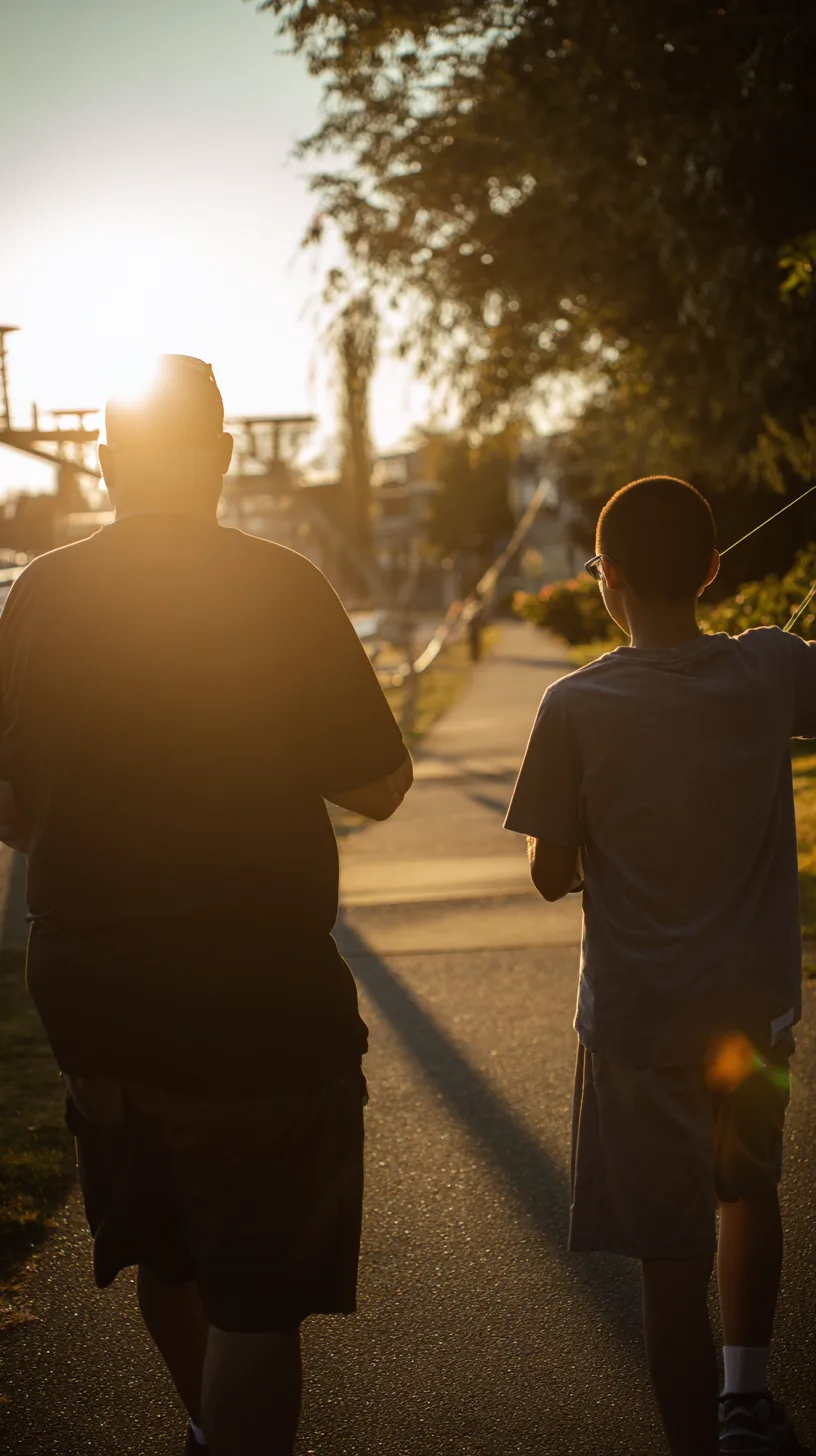
The John Howard Society of Victoria recruits, screens, trains, and supports volunteer mentors through the KidStart program. All mentors receive training in First Aid, reflective listening, and strength-based practice, with ongoing supervision from JHS Victoria staff. Mentors and mentees are matched based on similar interests and compatibility. You decide together what activities to do each week. The activities are not complicated. What matters is showing up, being consistent, and having fun. The goal is to build a relationship through time spent together. Most volunteers say spending time with their mentee is the highlight of their week.
The Opportunity
Volunteer opportunity for adults 19+ with a stable routine in Greater Victoria.
KidStart Mentor
Time commitment: 2–3 hours per week, one year minimum.
Training: First Aid, reflective listening, strength-based practice.
Ongoing support: Supervision and coaching from the KidStart Coordinator.
Screening: Criminal record checks, reference checks, and interviews.
Matching: Paired with a young person ages 6–18 based on shared interests and compatibility.
Activities: Swimming, skating, hiking, cooking, board games, beach walks, visiting parks, and more.
Location: Greater Victoria.
Eligibility
Becoming a KidStart Mentor is open to:
Adults 19+.
People with a stable routine who can keep a regular weekly commitment.
People who have lived in Canada for at least one year.
People willing to complete criminal record checks, provide references, and go through the screening process.
FAQ
Frequently Asked Questions About Becoming a KidStart Mentor in Victoria.
Most volunteers report that spending time with their mentee is the highlight of their week. Key to the success of the program is connecting young people and mentors who have similar interests. Going to the beach, cooking together, and playing board games is always more fun when you have an enthusiastic young person along.
The commitment is 2–3 hours per week. Some volunteers do this all at once; others split it across different days depending on schedules.
Mentors and mentees decide together on what activities they enjoy. Many mentees like established weekly routines, like going swimming, cooking dinner together, or visiting certain parks. The goal is connection and fun.
No. You need patience, consistency, and a genuine desire to support a young person. You don’t need to be a therapist, tutor, or expert in anything. You just need to show up.
All mentors complete First Aid training, reflective listening training, and strength-based practice foundations. You’ll receive ongoing supervision and support from the KidStart team throughout the match.
Mentors let the coordinator know about planned absences. Many volunteers spend a little extra time before and after trips, and keep in touch while away.